Sumba Island in Indonesia offers a unique blend of luxury and untouched nature, making it a prime destination for discerning travellers. Its remote location and limited accessibility add to its exclusivity, attracting those seeking both adventure and relaxation. Visitors to Sumba can indulge in luxury at resorts like NIHI Sumba, while also exploring the island’s rich cultural heritage and stunning landscapes.
Ideal Weather Conditions in Sumba
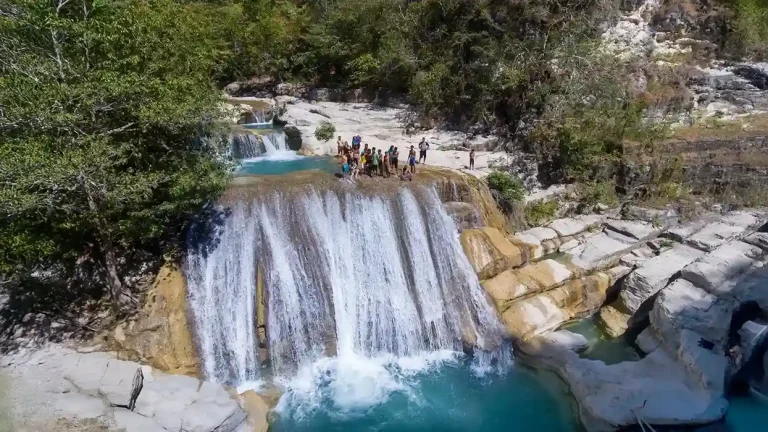
Sumba experiences a tropical climate with distinct wet and dry seasons. The dry season, from May to October, is the best time to visit for optimal weather conditions. During these months, rainfall is minimal, and temperatures range between 20°C and 30°C (68°F to 86°F), making it perfect for outdoor activities. The dry season also coincides with the best surfing conditions, particularly at NIHI Sumba, renowned for its surf breaks. The resort is an ideal base for surfing enthusiasts, offering kitesurfing and paddleboarding experiences. However, travellers should note that this period is also the peak tourist season, so early bookings are advisable to secure accommodation at top resorts like NIHI Sumba, where rates range from $1,605 to $2,150 USD per night. Visitors can explore Sumba’s natural beauty, including its famous waterfalls and butterfly trails, without the interruption of heavy rains.
Exploring Sumba’s Cultural Heritage
Sumba is not just about luxury and nature; it is also a land rich in cultural heritage. Visitors can immerse themselves in the island’s ancient traditions by visiting local villages, where traditional houses and megalithic tombs tell stories of a bygone era. The island is home to the Marapu religion, which plays a significant role in the daily lives of the Sumbanese people. Travellers can witness traditional ceremonies and rituals, which are often held during the dry season. This period provides an excellent opportunity to engage with the local community and gain insights into their way of life. While exploring cultural sites, visitors can stay at luxury accommodations like Lelewatu Resort or Alamayah Boutique Retreat Hotel, both of which offer guided tours to nearby villages. For those interested in learning more about Sumba’s cultural heritage, the Indonesian Ministry of Tourism provides resources and guidelines on respectful tourism practices.
Outdoor Activities and Adventures
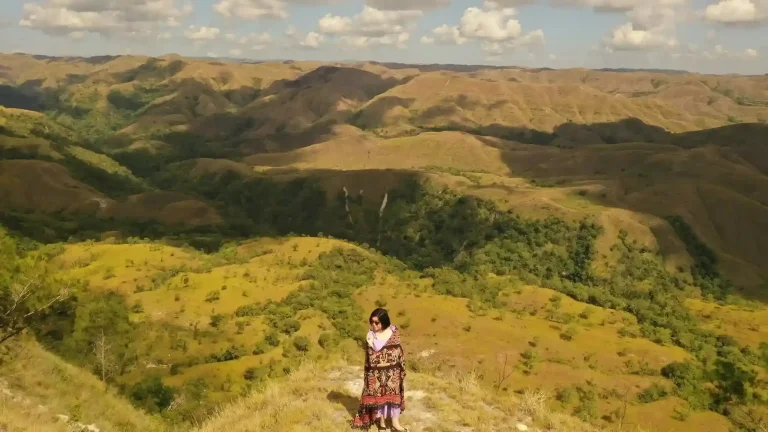
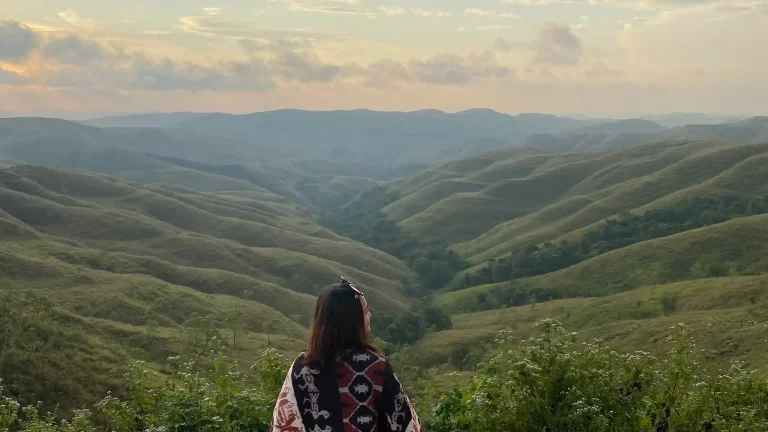
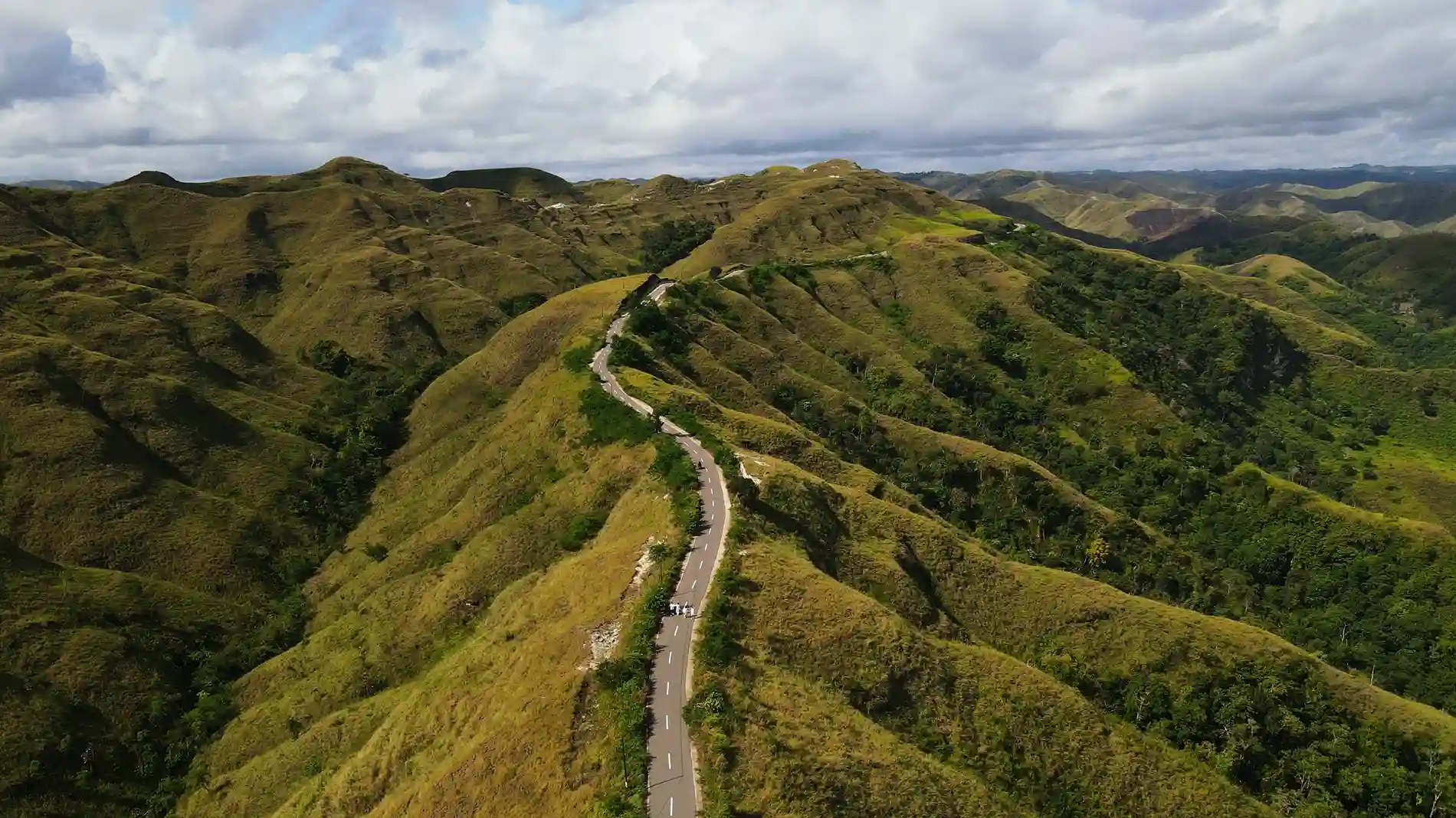
Sumba is a paradise for outdoor enthusiasts, offering a range of activities that cater to various interests. The island’s rugged terrain and diverse landscapes provide ample opportunities for hiking, mountain biking, and exploring untouched nature. The dry season is particularly favourable for these activities, as the trails are more accessible and the weather is conducive to outdoor exploration. NIHI Sumba, located on the western coast, offers guided hiking tours to nearby waterfalls and ancient villages, providing a unique way to experience the island’s natural beauty. For those interested in water sports, the resort also offers sport fishing and stand-up paddling on the Wanukaka River. With its panoramic views of the Indian Ocean, NIHI Sumba serves as a perfect base for both relaxation and adventure. Visitors should consider the available package options to tailor their experience to their interests and activity levels.
Sumba’s Luxury Accommodation Options
Sumba’s luxury accommodation options are centred around providing an exclusive and immersive experience. NIHI Sumba stands out as a benchmark for luxury on the island, offering 28 rooms and 27 villas set within 567 acres of jungle. Guests can enjoy panoramic views of the Indian Ocean from this beachfront hotel, known for its commitment to sustainable tourism. Rates at NIHI Sumba range from $1,605 to $2,150 USD, with check-in at 2:00 PM and check-out at 11:00 AM. For those seeking alternative luxury options, the island also hosts Lelewatu Resort, Cap Karoso, and Kandora Luxury Villa, Sumba, each offering unique experiences and amenities. These resorts cater to travellers looking for both relaxation and adventure, with activities such as kitesurfing, paddleboarding, and guided cultural tours. Travellers are encouraged to review each resort’s offerings and choose the one that best aligns with their preferences.
Travel Logistics and Accessibility
Getting to Sumba requires some planning due to its remote location. The island is approximately 400 km east of Bali and accessible via a 50-minute flight to Tambolaka Airport (TMC), located about 65 km from NIHI Sumba. Travellers should check flight availability and book in advance, especially during the dry season when demand is high. Upon arrival, most luxury resorts provide transfer services to and from the airport, ensuring a seamless travel experience. It is advisable to confirm these details with the resort prior to arrival. Visitors should also be aware of the local time zone, GMT+8, and adjust their travel plans accordingly. For more comprehensive information on flight schedules and travel tips, the official Indonesian tourism website offers valuable resources and updates.
Seasonal Considerations and Planning
When planning a trip to Sumba, it is essential to consider the seasonal variations in weather and tourist activity. The dry season, from May to October, is the most popular time to visit, offering ideal conditions for outdoor activities and cultural exploration. However, this also means higher prices and limited availability at luxury resorts. Travellers looking for a more budget-friendly option may consider visiting during the shoulder months of April and November, when the weather is still favourable but crowds are smaller. The wet season, from November to April, brings heavier rains and higher humidity, which may affect outdoor plans. Nevertheless, this period can offer a more tranquil experience with fewer tourists. For detailed information on the island’s seasonal patterns, potential visitors can refer to the Sumba weather guide.
Conclusion: Making the Most of Your Sumba Experience
Sumba offers a unique blend of luxury, culture, and adventure, making it a top choice for travellers seeking an exclusive and enriching experience. By visiting during the dry season, guests can fully enjoy the island’s natural beauty and cultural heritage while staying at world-class resorts like NIHI Sumba. To make the most of your trip, consider your personal preferences and plan accordingly, taking into account the seasonal variations and travel logistics. For those ready to explore Sumba’s offerings, our team is here to assist with bookings and inquiries. Contact us today to start planning your unforgettable journey to Sumba.
Contact us for more information or to make a reservation.
Sumba 2027: Balancing Surf Conditions and Prices
Sumba 2027: Balancing Surf Conditions and Prices
For surf enthusiasts planning a luxury trip to Sumba in 2027, balancing ideal surf conditions with accommodation prices is key. The island’s peak season, from June to August, offers excellent waves but also sees accommodation prices at their highest. Travelers looking to optimize their budget might consider sumba luxury lodge shoulder-season discounts 2027, which provide access to the island’s premium resorts at more affordable rates. The shoulder season not only offers competitive pricing but also a more tranquil experience, allowing surfers to enjoy the waves without the crowds. Additionally, comparing prices between Bali and Sumba can help travelers make informed decisions, as Sumba’s luxury lodges maintain a distinct pricing structure reflective of their exclusivity and unique offerings. By carefully considering timing and price, surf travelers can enjoy the best of both worlds: exceptional surf conditions and luxurious accommodations that fit their budget. See our guide: Luxury Travel Guides. High Season Travel in Sumba
Journal
Keep Reading